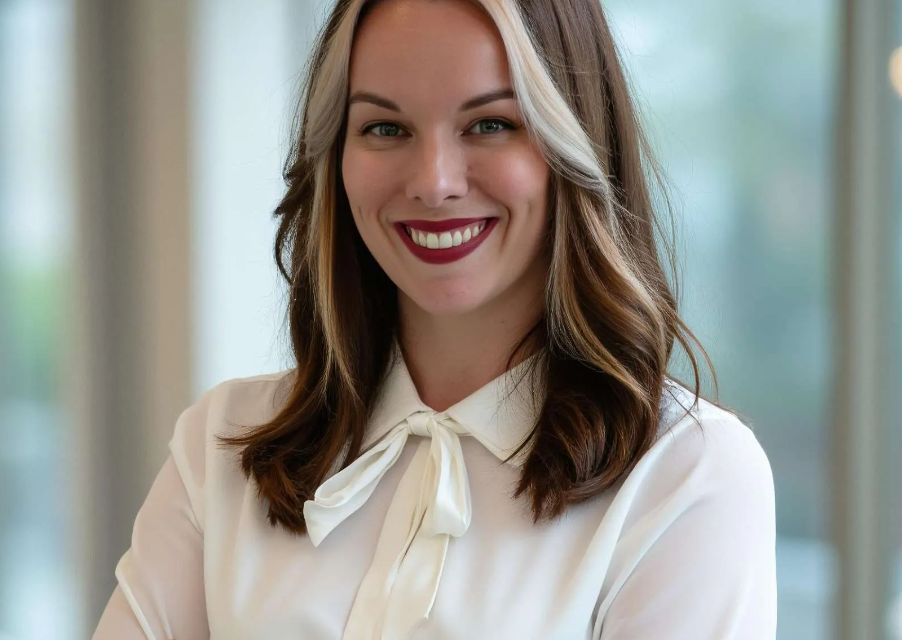

Guest Author – Dr Monika Gostić of Chronic Nutritionist
For years, women have been taught that when their body changes, the answer is to try harder. Eat less. Exercise more. Be more disciplined. Push through the tiredness. Ignore the stress. Blame yourself when the same things that worked in your twenties or thirties suddenly stop working.
Then perimenopause arrives and, for many women, that approach falls apart.
I see women who tell me, “I haven’t changed anything, so why has my body changed?” They may be experiencing stubborn weight gain, disrupted sleep, brain fog, digestive changes, cravings, reduced energy or simply the unsettling feeling that they no longer recognise their own body.
My answer is rarely that they need more restriction. It is that we need to understand what their body is asking for now.
Perimenopause Is More Than Hot Flushes
Perimenopause is the transition towards menopause, and fluctuating ovarian hormones can affect far more than the menstrual cycle. Sleep, mood, cognition, body composition, insulin sensitivity and cardiometabolic health can all become part of the picture.
That matters because health advice cannot exist in a vacuum. A woman sleeping badly, under significant stress and moving through hormonal change is not physiologically in the same place she was ten years earlier. Yet she may still be trying to follow exactly the same diet, training routine and expectations.
When that stops working, she often assumes she has failed.
She hasn’t. The strategy may simply no longer fit the person.
Why “Eat Less and Move More” Is Not a Complete Strategy
Energy balance still matters. But human physiology is not a simple spreadsheet.
Appetite, food choices, muscle mass, sleep, stress, physical activity, metabolic health and hormonal changes interact. If we focus only on eating less, we can miss the behaviours and biological factors that make sustainable change possible.
For example, a woman may start skipping meals to reduce calories, only to arrive home exhausted and ravenous. Another may dramatically increase cardio while neglecting resistance training and recovery. Someone else may spend Monday to Friday trying to be “perfect”, then feel she has ruined everything after one meal out at the weekend.
This is where I want women to move away from punishment and towards curiosity.
Instead of asking, “How can I control my body more?” ask, “What is making it harder for my body to function well?”
Start With the Foundations
There is no single menopause diet, and there certainly is not one supplement that fixes everything. The fundamentals are less glamorous, but they are powerful.
Protein becomes particularly important as we think about preserving muscle with age. Fibre-rich plant foods support digestive health, cardiometabolic health and a diverse dietary pattern. Resistance training helps maintain muscle and bone. Regular movement matters beyond formal exercise. Sleep deserves to be treated as part of the health plan rather than something we address only when everything else is perfect.
And then there is stress.
Stress is sometimes discussed as though women simply need to “relax more”. That misses the point. Many women in their forties and fifties are simultaneously managing careers, businesses, children, ageing parents, relationships and changing bodies. The goal is not to eliminate stress. It is to build a lifestyle that recognises the load they are carrying and creates realistic opportunities for recovery.
The Gut, Inflammation and the Bigger Picture
Digestive symptoms can also change around perimenopause, although not every symptom should automatically be blamed on hormones. Bloating, altered bowel habits or food intolerance-like symptoms deserve proper assessment, particularly when symptoms are persistent or new.
This is one reason I take a whole-person approach in clinic. Nutrition is rarely just about the food on the plate. I want to know about sleep, stress, movement, symptoms, medical history, eating patterns and the person’s actual life.
The same applies to inflammation. “Inflammation” has become a marketing word online, often attached to restrictive diets and long lists of foods to avoid. In reality, supporting long-term health usually looks much more familiar: a varied minimally processed diet, plenty of plant foods, adequate protein, healthy fats, regular physical activity, good sleep, smoking avoidance and sensible alcohol intake.
The aim is not to create a perfect anti-inflammatory life. It is to improve the overall environment in which the body is operating.
Sustainable Health Has to Fit Real Life
This is perhaps the biggest lesson I have learnt from working with women: the theoretically perfect plan is useless if nobody can live with it.
A woman running a business does not need a meal plan requiring two hours of food preparation every evening. A parent does not necessarily want to cook three separate dinners. Someone already overwhelmed by symptoms does not need another list of twenty things she is doing wrong.
She needs priorities.
What can we change first that will make the greatest difference? Perhaps breakfast needs more protein. Perhaps lunch needs to happen at all. Perhaps two strength sessions are more useful than trying to exercise intensely every day. Perhaps the first intervention is creating a better evening routine so that sleep has a chance to improve.
Small changes are not insignificant when they are the changes you can actually sustain.
My B.A.D. Approach: Balanced, Authentic, Deserving
My own philosophy is B.A.D.: Balanced, Authentic and Deserving.
Balanced means moving away from extremes. Health does not require perfection, punishment or removing every food you enjoy.
Authentic means the plan has to belong to you. Your symptoms, preferences, culture, family, work and goals matter. A plan copied from somebody on social media may be scientifically plausible and still be completely wrong for your life.
Deserving is the part women often find hardest. You deserve to look after yourself before you reach crisis point. You deserve to eat properly even when you are busy. You deserve support even if somebody else “has it worse”. And you deserve health advice that takes your concerns seriously.
That is what working with your body rather than against it means to me.
When Symptoms Need More Than Lifestyle Advice
Lifestyle medicine is powerful, but it should complement appropriate medical care, not replace it. New, severe or persistent symptoms should be discussed with a healthcare professional. Perimenopause symptoms can overlap with other conditions, and women should have access to evidence-based conversations about treatment options, including hormone replacement therapy where appropriate.
Good nutrition and lifestyle support can sit alongside medical treatment. It does not have to be one or the other.
A Better Question to Ask Yourself
If your body feels different in perimenopause, try replacing “What am I doing wrong?” with a different question:
“What does my body need from me at this stage of my life?”
Maybe it needs more nourishment, not another diet. More muscle, not endless punishment on a treadmill. More sleep, not another coffee. More consistency, not perfection. Or perhaps it needs you to stop dismissing symptoms and ask for proper support.
Health optimisation is not about forcing your body back into the version it was ten years ago. It is about understanding the body you have now and giving it the conditions to function as well as possible.
And that is a much kinder, more sustainable place to begin.
About the Author
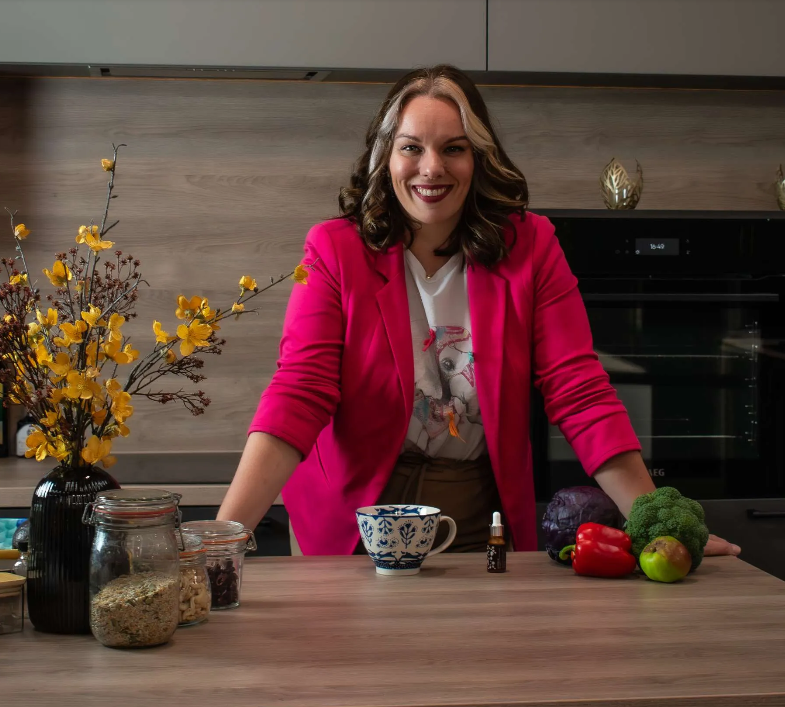
Dr Monika Gostić is a functional nutrition and lifestyle medicine practitioner, scientist and university lecturer based in Aberdeen. Through Dr Monika Gostić Nutrition, she supports women experiencing perimenopause, menopause and other complex health concerns using an evidence-informed, personalised approach to nutrition and lifestyle.
Her work is built around the B.A.D. philosophy: Balanced, Authentic and Deserving, helping people move away from restrictive, one-size-fits-all health advice and towards practical changes that fit real life.
Website: monikagostic.com
Instagram: @drmonikagostic
LinkedIn: Dr Monika Gostić